
TL;DR:
Lock in your interview locations early. The space you choose affects how your school looks and sounds on camera—don’t just grab a conference room last minute. Pick places that reflect your school’s brand (classrooms, libraries, common areas), not sterile spaces. Look for rooms with enough depth for background blur, controllable lighting, and minimal echo. Always plan setup and breakdown time—30–90 minutes per interview—and have backup rooms ready in case something doesn’t work. The earlier you schedule, the smoother (and better-looking) your video shoot will be.
One of the most overlooked elements of pre-production is securing a space for interviews—especially when you’re an independent school. When it comes to filming a testimonial or an interview, it’s important to make sure that the location does a few things. It should reflect your school’s brand well and avoid distractions. Let’s break down what that means.
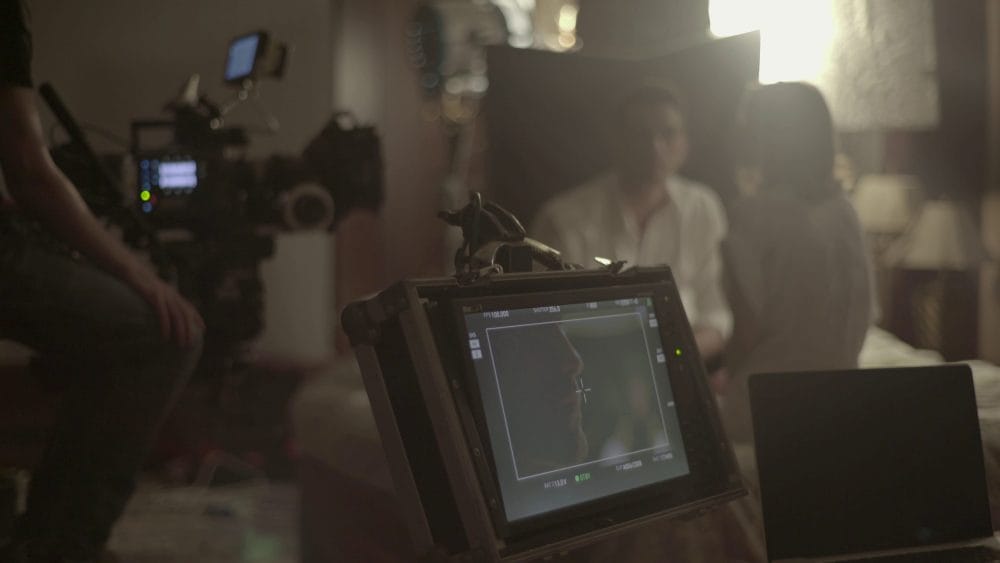
When you’re filming interviews for your school, there are a few things to keep in mind—especially if you’re working with an outside video production company. The first is the amount of time it takes to set up and break down. Depending on the company, it can take anywhere from 30 to 90 minutes to properly set up. Keep this in mind, especially if you’re moving from location to location throughout the day. Multiple setups and breakdowns will eat into your schedule.
The reason setup takes time is because when filming a talking-head interview, we want the visuals to be as engaging as possible. Poorly shot interviews can look flat or, worse, really bad. Lighting and background need to look great—this reflects directly on your school.
Now, about your school’s brand: the filming location matters a lot. One of the most common mistakes I see is being placed in a conference room. There are a few problems with this. First, it doesn’t look or feel like a school—it feels corporate. That sends a confusing message to your audience. Second, conference rooms usually have large tables that make it hard to maneuver lights, cameras, and microphones. Conference rooms should be a last resort. Seriously—last resort.
Some ideal spots for interviews? Classrooms (with carpet or rugs), the library, common rooms, and even certain hallways.
On the technical side, here’s what I look for in an interview location:
1. Room size and depth.
This is often overlooked, and understandably so. It takes an experienced eye to know which spaces will work. Small, tight rooms won’t give you that nice background blur that keeps your subject in focus and visually appealing. Tight spaces also create unwanted shadows and visual tension—especially if someone’s literally up against a wall. Give your subjects some breathing room. There’s no magic room size, but avoid anything like a 10×6. (If you want to see an example of what not to do, feel free to email me—happy to share. I just don’t want to call out any clients publicly.)
2. Lighting.
Yes, we bring our own lights—but there’s a catch. We don’t want the camera facing large windows, especially when the sun is blasting through them. That’s a recipe for overexposed, blown-out shots. The more control we have over lighting, the better. Natural light can work in small doses, and overcast skies help—but obviously, we can’t control the weather.
3. Sound.
Actually, this is the first thing I listen for. Good sound is critical, and even with great AI tools, we still need a solid foundation. Brick walls, echoey rooms, and tile floors are tough to work with. Avoid those if you can.
Don’t Wait to Schedule Interview Spaces
If you’ve made it this far and are thinking, “Okay, I’ll just grab a good room the day of,” don’t.
Interview spaces need to be locked in well ahead of the shoot day. Here’s why:
- Popular rooms go fast. Classrooms, libraries, and common areas that look great on camera are usually in use or reserved for other purposes.
- Room changes can throw off the whole production. If we plan for one space and it’s suddenly unavailable, we may need to completely rework the setup—lighting, sound, camera positioning—all of it.
- Scheduling rooms early gives you options. Sometimes we’ll walk into a location and realize it’s not going to work for sound or lighting. If you’ve booked a few backup spaces in advance, we’ve got flexibility. If not, we’re stuck scrambling.
The ideal timeline? As soon as your shoot date is confirmed, start booking interview rooms. Treat it like you would scheduling a guest speaker or reserving an event space. If you need approval from facilities or administrators, build that into your timeline.
Also: don’t assume we can “just make it work” anywhere. We can work around a lot, but the final video quality depends heavily on prep—and room selection is a huge part of that.
If you have any questions or want to see examples of good and bad interview locations feel free to reach out to me at joe@monzomediapro.com.