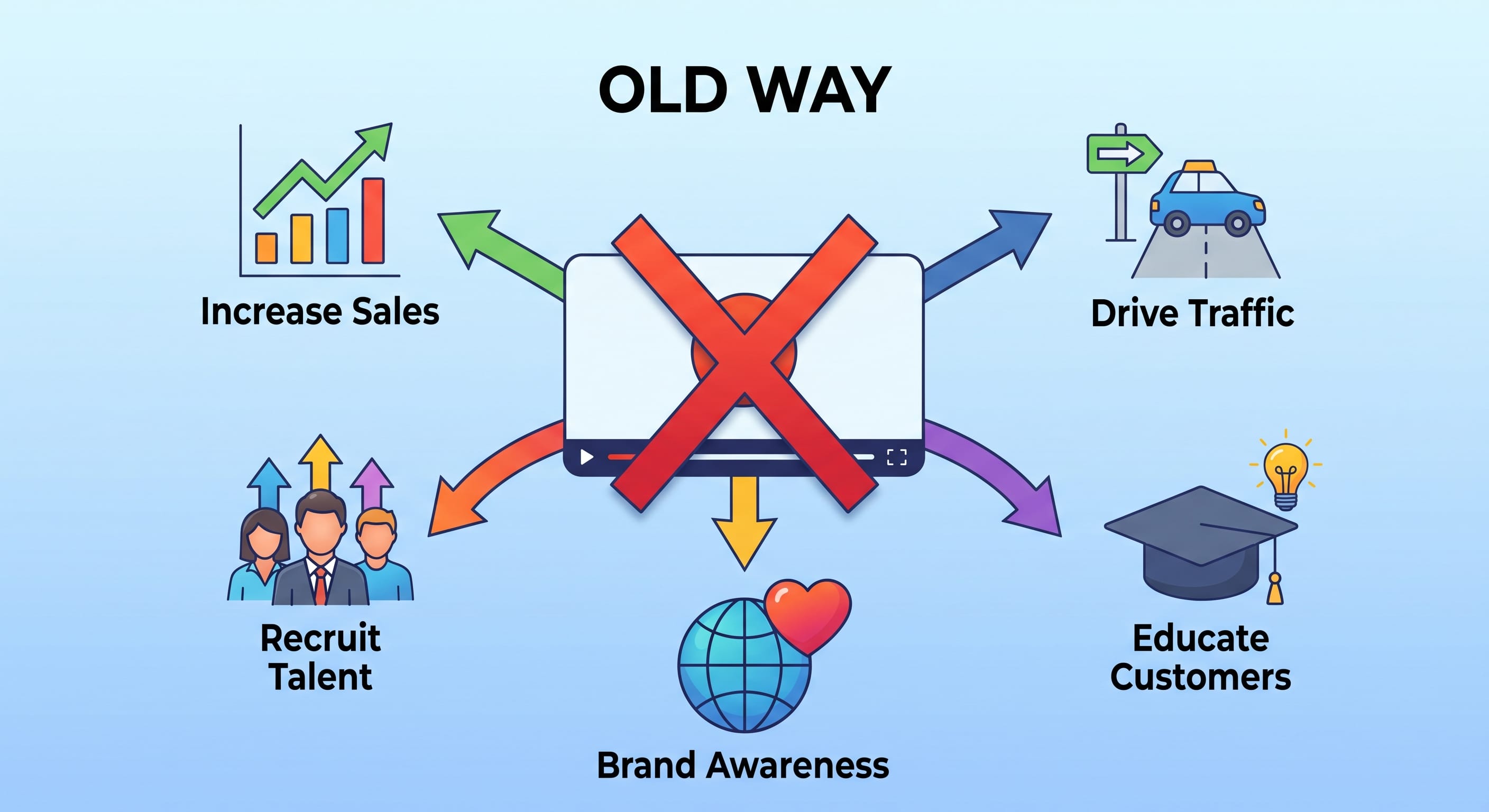

For the past 10 years, whenever we’ve created videos for schools, nonprofits, and brands, we’ve always started with one question: What is this video supposed to accomplish?
Every video has a primary purpose and a primary channel. Everything else is secondary.
I think it’s all about being intentional with what you’re creating. Nine times out of ten, it makes perfect sense to feature your general admissions video on your website, but it may also work well as a secondary piece on your social media channels.
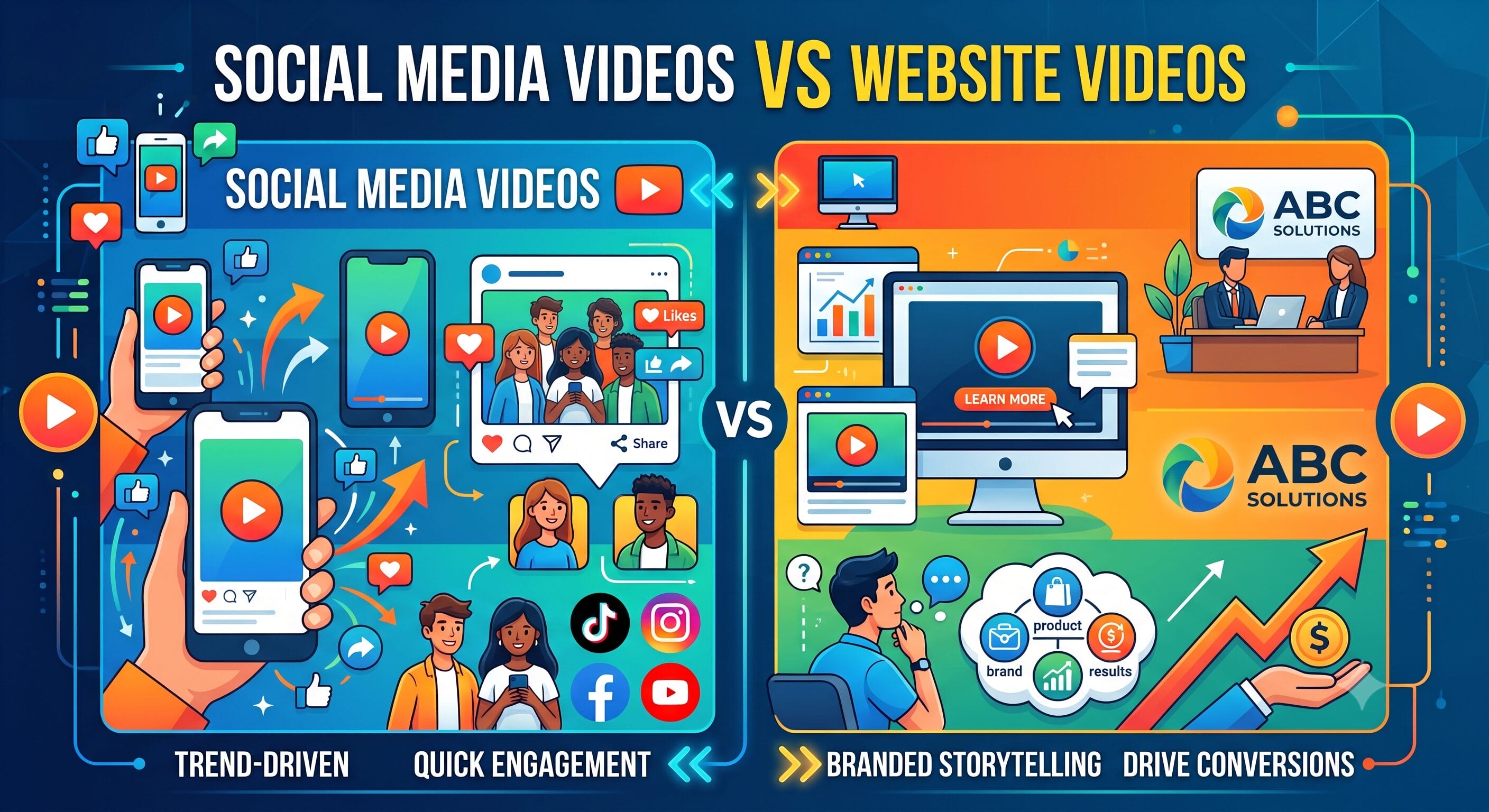
Some videos belong on your website. Others are designed specifically for social media. Trying to make one video do both often leads to a weaker result.
Today, we’re going to talk about website videos versus social media videos, and why intentionality—especially in the edit—matters.
When you’re creating a website video, your primary focus is exactly that: your website. The viewer isn’t casually scrolling past your content. They’ve intentionally visited your site because they want to learn more about your school, nonprofit, or business.
Website videos are often designed for people in the awareness or consideration stage of their journey, so it’s important to communicate a clear value proposition. If you’re a premium brand or a higher-tuition school, your videos should reflect that experience. Production quality, storytelling, and attention to detail all influence how someone perceives your organization.
Subconsciously, if a viewer watches a video that feels rushed or lacks intention, it can negatively impact your brand. It becomes harder for someone to justify a premium price or believe the experience you’re promising. Your website videos should tell a cohesive story about your audience and the people you serve.
The edit is often different, too. Website videos usually have a little more room to breathe. You can spend more time developing a story, allowing interviews to unfold naturally and building emotion throughout the piece. Your viewer has already shown interest, so your job is to reinforce that interest and help move them closer to a decision.
Now let’s shift gears to social media.
When you’re creating a social media-first video, you have the opportunity to be a little less rigid with your production style. That doesn’t mean quality doesn’t matter. It means authenticity can often outperform perfection. User-generated content, behind-the-scenes clips, or a simple talking-head video can all work well—as long as they’re engaging and provide value.
The edit, however, becomes much more aggressive. You need a stronger hook, faster pacing, tighter cuts, and visuals that immediately grab attention. Those first three to five seconds are the most important part of your video. If they don’t capture someone’s interest, they’ll keep scrolling.
Captions are another simple way to increase engagement, since many people watch social media videos without sound. A well-placed caption can make the difference between someone stopping to watch or scrolling right past.
Remember, people often discover you on social media, but many of them make their decision on your website. Those two videos shouldn’t compete with each other—they should work together.
At the end of the day, neither approach is better. A website video and a social media video simply have different jobs that relate to your funnel. When you know that job before you begin production, your creative decisions become much easier and your videos become much more effective.
Got any questions? Feel free to reach out to me at joe@monzomediapro.com